Quick Answer: A pedestrian injury most often results from vehicles failing to yield at crosswalks, distracted or speeding drivers, and poor road visibility. The most effective way to reduce pedestrian, cyclist, and motorcyclist harm is through safer speeds, better road design, and safer vehicles, combined with quick medical care and, when needed, guidance from a qualified legal professional.
Every year, thousands of people walking, cycling, or riding motorcycles suffer life-changing harm simply because roads weren’t built with their safety in mind. Knowing how a pedestrian injury happens, and how it can be prevented, is the first step toward safer streets for everyone.
Why Pedestrian, Bicycle, and Motorcycle Safety Matters
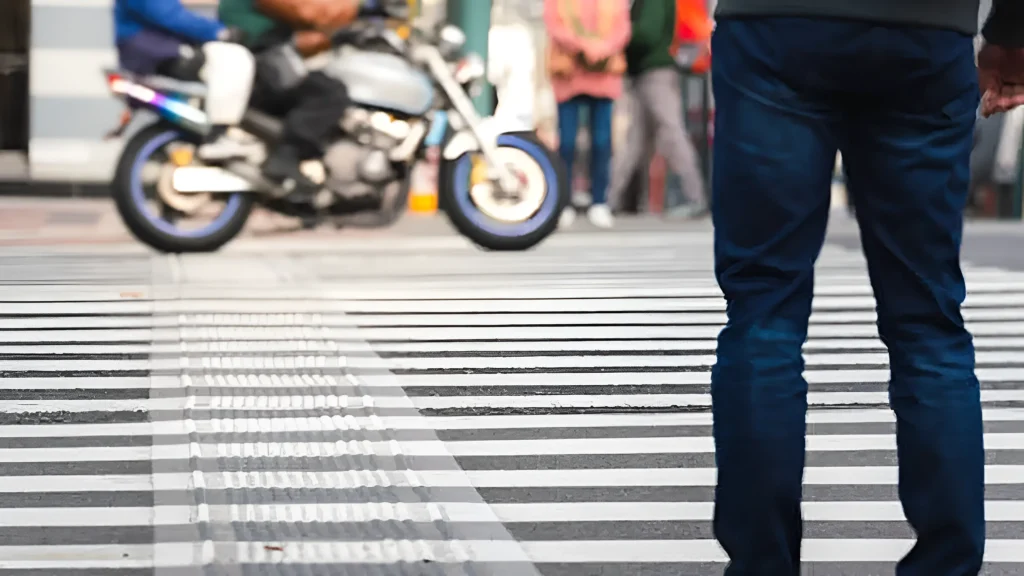
Pedestrians, cyclists, and motorcyclists are “vulnerable road users.” They have little to no physical protection compared to someone inside a car. When a collision occurs, the outcome is rarely equal.
A pedestrian injury can range from minor bruising to serious trauma such as brain injury, spinal damage, or fatal outcomes. Severity is closely tied to vehicle speed, road design, and visibility, factors that are largely preventable through better infrastructure and smarter policy.
Pedestrian Accident Injuries: What They Look Like
Pedestrian accident injuries go beyond visible physical harm and commonly include:
- Fractures especially to the legs, hips, and pelvis from direct impact
- Head and brain trauma from secondary impact with the ground or windshield
- Spinal cord damage which can cause partial or permanent paralysis
- Internal injuries not always visible right away, but life-threatening
- Psychological trauma including PTSD and long-term anxiety around road use
These patterns help medical professionals, urban planners, and policymakers design smarter interventions, from better crosswalk visibility to stricter speed enforcement near schools.
Current Injury Trends in Road Safety
Recent injury trends show a concerning shift: as vehicles grow larger and heavier, especially SUVs and pickup trucks, injury severity has gone up. Taller front-end profiles are more likely to strike a pedestrian’s torso or head instead of their legs, raising the risk of fatal injury.
Urban areas with poor lighting, missing sidewalks, or high-speed arterial roads consistently report higher pedestrian and cyclist harm. Motorcyclists face a different set of risks tied to low visibility to other drivers and a lack of structural protection.
Tracking this data helps city planners identify high-risk corridors and prioritize where infrastructure investment matters most.
The Safe System Approach: A Global Standard for Prevention
The Safe System approach is one of the most widely used frameworks for cutting road deaths worldwide. Older road safety models placed full responsibility on individual road users. This one starts from a different premise: humans make mistakes, and no one should die because of one.
This model rests on five pillars:
- Safe road users, awareness and responsible behavior
- Safe vehicles, designs that reduce harm to people outside the car
- Safe speeds, limits set around pedestrian and cyclist presence
- Safe roads, protected bike lanes, raised crosswalks, better lighting
- Post-crash care, fast emergency response and rehabilitation support
Regions that have adopted this model, including parts of the Netherlands and Sweden, have seen steady, measurable drops in pedestrian and cyclist deaths.
What to Do After an Accident
If an accident causes injury, quick action protects both health and legal rights:
- Get medical care right away. Some trauma, like internal bleeding, isn’t obvious at first.
- Document the scene. Take photos of the location, vehicle, and visible injuries.
- Collect witness details. Names and contact information matter.
- File a police report to create an official record.
- Talk to a pedestrian accident attorney before dealing with insurance companies.
A qualified attorney can help injured individuals know their rights and pursue fair compensation for medical bills, lost income, and long-term care. Fault and liability laws vary by location, so early legal guidance often shapes the outcome significantly.
Practical Prevention Tips
Pedestrians: Use marked crosswalks, make eye contact with drivers, avoid phone distractions, and wear reflective clothing at night.
Cyclists: Ride in dedicated bike lanes, wear a properly fitted helmet, and use lights in low visibility.
Motorcyclists: Wear DOT-approved gear, stay visible with reflective clothing and headlights, and avoid risky lane-splitting where it’s not allowed.
Frequently Asked Questions
Best Bike Gloves for Safety: What Should I Look For?
Look for gloves with abrasion-resistant materials, reinforced palms, knuckle protection, and a secure fit. Good gloves should protect your hands while still allowing comfortable control of the handlebars.
What Should You Do Immediately After a Car Accident?
Check yourself and others for injuries, move to a safe location if possible, and call emergency services. Document the accident, exchange information with the other driver, and seek medical care even if injuries seem minor.
How does this approach reduce road deaths?
It builds roads, vehicles, and speed limits around the fact that human error is inevitable, aiming to stop mistakes from turning into fatal or severe injuries.
When should I contact an attorney after this kind of accident?
As soon as possible after an injury-causing incident, ideally before accepting any insurance settlement offer.
Are pedestrian accident injuries increasing?
Yes. Recent data points to a rise in severity, largely linked to larger vehicle sizes and inadequate pedestrian infrastructure in many cities.
Why Choose Autrey Law Firm?
After a serious pedestrian, bicycle, or motorcycle accident, dealing with injuries, medical expenses, insurance companies, and legal questions can feel overwhelming. Autrey Law Firm that every accident can have a lasting impact on your life and your family.
The team at Autrey Law Firm can help your legal options, gather important information about your case, and pursue the compensation you may be entitled to. Having the right legal guidance can make it easier to focus on your recovery while your case receives the attention it deserves.
Final Thoughts
Cutting pedestrian injury rates takes smarter infrastructure, updated policy, personal awareness, and, when incidents happen, access to proper medical and legal support. As more regions adopt proven safety frameworks and act on current road data, safer roads for pedestrians, cyclists, and motorcyclists become achievable.
Need Legal Help After an Accident?
If you or someone you love has suffered a pedestrian, bicycle, or motorcycle injury, you do not have to navigate the legal process alone. Contact Autrey Law Firm to discuss your situation and learn more about your available legal options.